The Ozarks stretch across Missouri, Arkansas, and Oklahoma, covering one of the most rugged and lake-dotted inland regions in the United States. Staying in a centrally located hotel here means faster access to Silver Dollar City, Table Rock Lake, and the entertainment corridors of Branson - without wasting hours on winding Ozark roads. This guide breaks down four central hotels across the region to help you pick the right base for your trip.
What It's Like Staying In The Ozarks
The Ozarks is not a single city - it's a sprawling highland region where distances between attractions can easily exceed 30 miles on two-lane roads. Most visitors drive everywhere, so your hotel's position relative to key destinations like Branson, Table Rock Lake, or the Missouri wine country matters more than it would in an urban setting. The region draws outdoor enthusiasts, family vacationers, and retirees, but it's less suited for travelers relying on public transit or expecting walkable neighborhoods.
Branson is the entertainment hub, with over 100 live shows and attractions concentrated along a single strip. Crowds peak sharply in summer and October during fall foliage season, when accommodation demand spikes across the region.
Pros:
Direct proximity to national forests, lakes, and river trails without leaving the region
Lower accommodation costs compared to comparable resort areas in the Southeast US
Family-oriented infrastructure with theme parks, nature attractions, and live entertainment within driving distance
Cons:
No meaningful public transportation - a car is non-negotiable for any Ozarks stay
Rural road conditions can add significant travel time between attractions
Limited late-night dining and nightlife options outside of Branson's main strip
Why Choose A Central Hotel In The Ozarks
Central hotels in the Ozarks are typically positioned to give guests reasonable driving access to multiple sub-regions - whether that's the Branson entertainment district, the lake towns of Table Rock and Bull Shoals, or the quieter state park corridors of southern Missouri. Unlike lakefront resorts that lock you into one zone, centrally located properties let you day-trip in multiple directions without committing to long repositioning drives each morning. These hotels tend to be mid-range in price, with nightly rates averaging around $120 - noticeably lower than lakefront cottages or full-service resorts in the same area.
Room sizes at central Ozarks hotels are generally practical rather than generous, with most units built for functional overnight stays rather than extended lounging. Free parking is nearly universal at this category, which matters in a region where driving is constant and parking at attractions can be costly.
Pros:
Positioned for multi-directional day trips across Missouri, Arkansas, and Oklahoma sub-regions
Free parking and car-friendly layouts standard across most central properties
More competitive nightly rates than lakefront or theme-park-adjacent resorts
Cons:
Fewer on-site amenities compared to full-service resort hotels deeper in the region
Central positioning may still mean 30-plus-minute drives to specific anchor attractions
Less immersive than staying directly on Table Rock Lake or inside Branson's entertainment zone
Practical Booking & Area Strategy For The Ozarks
The Ozarks region spans three states, so choosing the right anchor city for your stay is critical. Branson, Missouri, is the most activity-dense hub and the best base for families targeting Silver Dollar City, Titanic Museum, and the Andy Williams Moon River Theater. Pilot Knob and the Iron County area of southeast Missouri appeal to hikers and anglers targeting Mark Twain National Forest. Washington, Missouri, sits on the western fringe of the Ozarks and offers fast highway access to St. Louis - around 80 km away - making it a practical stop for travelers combining city and countryside.
Book at least 6 weeks ahead for summer and October stays, when regional occupancy can exceed 90% in popular corridors. For the Cape Fair and Table Rock Lake area, arriving mid-week cuts both rates and road congestion significantly. Highway 76 in Branson is the region's entertainment spine - hotels within a short drive of it give you the widest daily flexibility without overpaying for a lakeside premium.
Best Value Stays
These properties offer strong practical positioning across the Ozarks region, with amenities and locations suited for travelers prioritizing access and cost-efficiency over resort-style luxury.
-
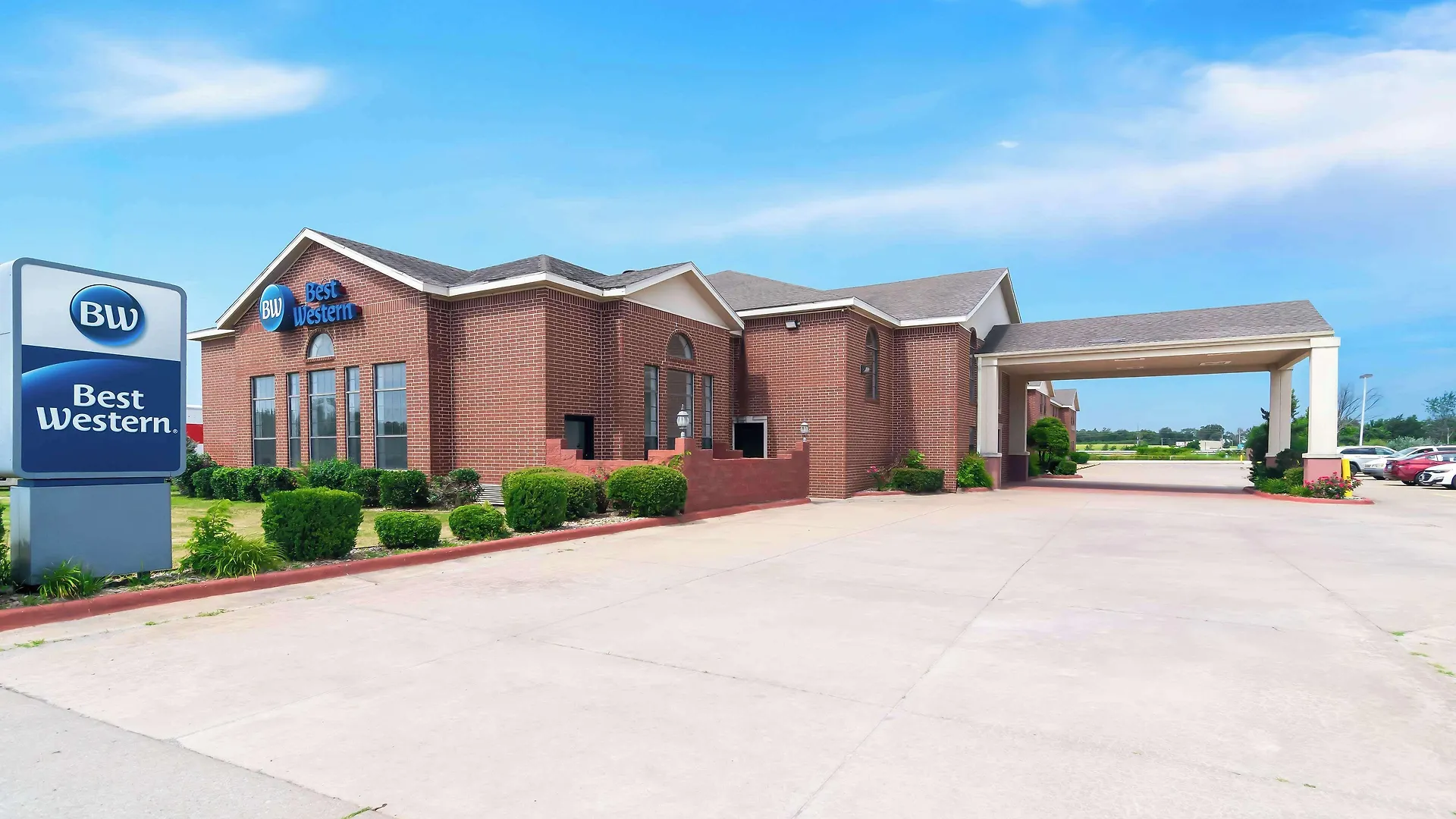
1. Best Western Stateline Lodge
Show on map


 Check-infrom 15:00 until 01:59Check-outuntil 11:00
Just a few rooms left at the best rate!
fromUS$ 77
-
2. Shepherd Mountain Inn & Suites
Show on map


 Check-infrom 15:00 until 23:00Check-outuntil 11:00
Just a few rooms left at the best rate!
fromUS$ 149
Best Premium Options
These properties offer more distinctive settings, added character, or access to key Ozarks sub-regions that justify their positioning above standard roadside stays.
-
3. Cottages At Fair Haven Cove
Show on map


 Check-infrom 15:00 until 20:00Check-outuntil 10:00
Hurry – almost gone at this price!
fromUS$ 78
-
4. Inn At Elijah Mclean'S
Show on map


 Check-infrom 15:00 until 23:59Check-outfrom 01:00 until 11:00
Rooms filling fast – secure the best rate!
fromUS$ 178
Smart Travel & Timing Advice For The Ozarks
The Ozarks operate on two clear peak windows: summer (June through August) for lake and outdoor activity demand, and October for fall foliage, when leaf-peeping traffic pushes occupancy across Missouri's highland towns to near-capacity. Shoulder season in April-May offers the best combination of mild weather, open attractions, and rates that run around 25% lower than July peaks. Winter is genuinely quiet - some smaller properties reduce hours or close partially between December and February, so verify availability before booking rural cottages or inn-style properties during that period.
Most Ozarks trips benefit from a minimum of 3 nights to justify the drive from major gateways like St. Louis, Kansas City, or Tulsa. Book summer weekends at least 8 weeks in advance, particularly for cottage-style properties near Table Rock Lake and Cape Fair, where inventory is limited and last-minute availability is rare. Mid-week arrivals from Tuesday to Thursday consistently yield better rates and lower road congestion on the region's narrow mountain highways.