
Oregon's boutique hotel scene spans coastal port towns, high-desert river corridors, and Southern Oregon wine country - each with a distinctly different rhythm. From the Victorian streetscapes of Astoria to the Rogue River banks of Grants Pass, these four properties offer character-driven stays that chain hotels in the state simply cannot replicate.
What It's Like Staying in Oregon
Oregon is a state where geography drives the travel experience - coastal fog, high-desert heat, and dense Cascades forest can all exist within a single road trip. Portland International Airport serves as the main entry point, but distances between destinations like Astoria, Grants Pass, Hermiston, and The Dalles mean most visitors rely on a rental car. Crowd patterns vary sharply: coastal towns fill up during summer weekends, while inland spots like Hermiston or The Dalles remain navigable even in peak season.
Oregon draws outdoor-focused travelers, wine tourism seekers, and scenic highway drivers - making boutique hotels a natural fit for those wanting local immersion over brand-name predictability. Visitors expecting urban density will find most of Oregon's appeal outside city limits.
Pros:
- Extraordinary landscape diversity - ocean, desert, river canyon, and old-growth forest within driving distance
- Lower hotel saturation outside Portland means boutique properties in smaller towns offer more availability and value
- Oregon's food and wine culture, especially in Southern Oregon, rewards slow, experience-driven travel
Cons:
- A car is non-negotiable for most destinations - public transport between towns is minimal
- Coastal and mountain weather is unpredictable, with rain possible even in July
- Smaller boutique properties in towns like Astoria or Grants Pass may sell out weeks in advance during summer
Why Choose Boutique Hotels in Oregon
Boutique hotels in Oregon tend to occupy historic buildings or scenic natural settings that give guests direct access to what makes each town worth visiting - a riverfront, a heritage district, or a wine trail. Unlike national chains concentrated near highway interchanges, boutique properties in Oregon are typically embedded within walkable town centers or working landscapes. Room sizes vary, but the trade-off is usually character over square footage, with properties often offering personalized breakfast service and locally curated amenities that larger hotels skip.
Price-wise, boutique options in smaller Oregon towns can run around 20% less than comparable boutique stays in Portland, while still delivering distinctive design and on-site programming like wine tastings or guided excursions. Noise and traffic are rarely issues in towns like Grants Pass or Astoria, though summer weekend demand can tighten availability fast.
Pros:
- Properties are embedded in historic or scenic settings - not generic commercial corridors
- Breakfast and on-site experiences (wine tastings, river access, curated excursions) are frequently included or arranged
- More competitive pricing than Portland boutique equivalents, with stronger location-to-rate ratios
Cons:
- Smaller room inventory means last-minute bookings are risky, especially in summer
- Some properties lack amenities like a pool or fitness center that larger hotels provide
- On-site dining options may be limited - particularly in smaller towns like Hermiston or The Dalles
Practical Booking & Area Strategy
Oregon's boutique hotels cluster in four distinct zones - the North Coast (Astoria), the Columbia River Gorge corridor (The Dalles), the Eastern Oregon high desert (Hermiston), and the Southern Oregon river valleys (Grants Pass). Astoria is the most visually dramatic, with 19th-century architecture overlooking the Columbia River mouth, but it sits around 150 km from Portland International Airport. Grants Pass works well as a southern base for day trips to Crater Lake National Park, which is roughly 2 hours by car - one of Oregon's most visited natural landmarks drawing over 500,000 visitors annually. The Dalles connects Columbia Gorge scenic highway drives and is significantly less crowded than Hood River while offering easy I-84 access. Book at least 6 weeks ahead for summer stays in Astoria or Grants Pass, where boutique inventory is tight and prices spike from late June through August. Hermiston and The Dalles allow more flexibility with shorter lead times and lighter tourist pressure.
Best Value Stays
These properties deliver strong location value and on-site amenities at price points that suit travelers prioritizing experience without full premium spend.
-
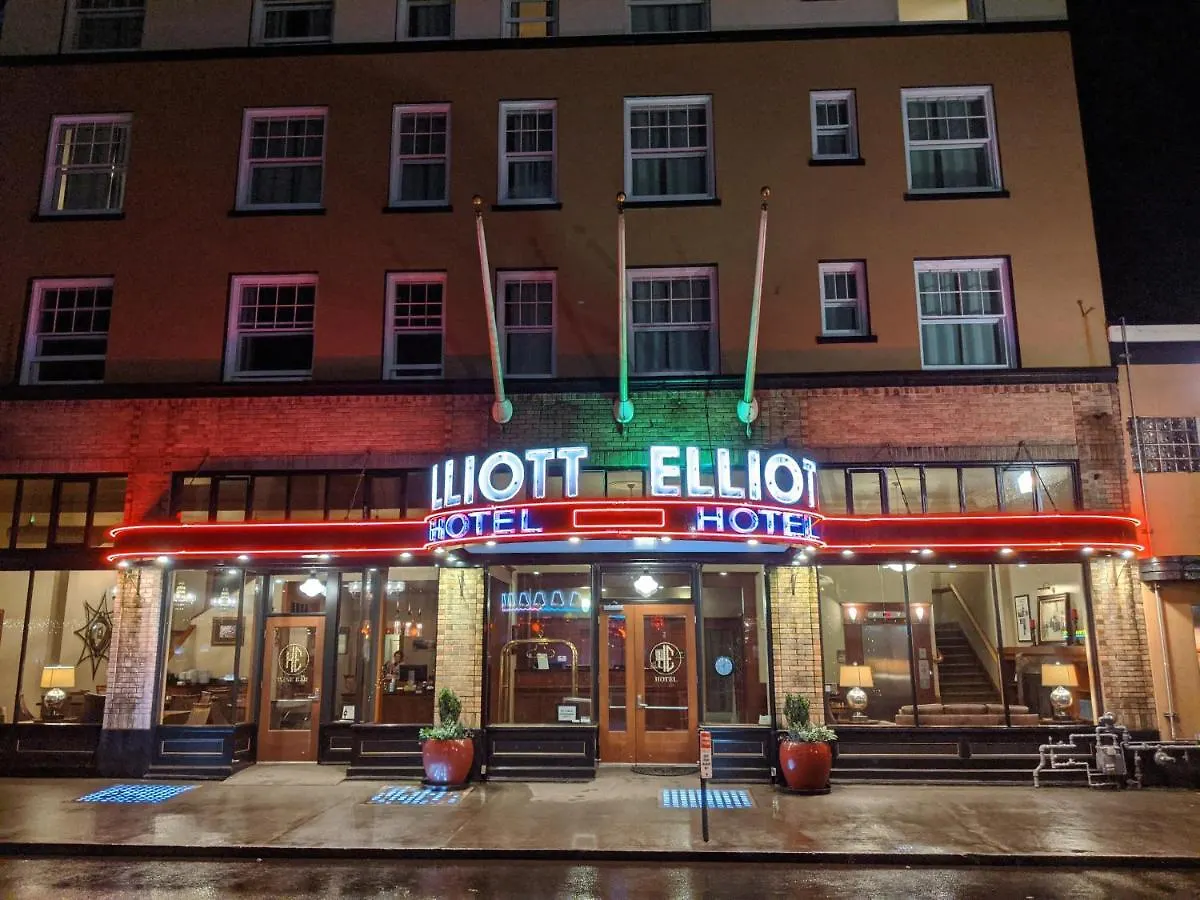
1. Hotel Elliott
Show on map


 Check-infrom 16:00 until 23:59Check-outuntil 12:00
Just a few rooms left at the best rate!
fromUS$ 119
-
2. Oxford Suites Hermiston
Show on map


 Check-infrom 16:00 until 23:59Check-outuntil 11:00
Just a few rooms left at the best rate!
fromUS$ 99
Best Premium Stays
These properties stand out for their setting, included experiences, and design distinction - suited to travelers willing to pay more for immersive, location-driven stays.
-
3. Weasku Inn
Show on map


 Check-infrom 15:00 until 22:00Check-outuntil 12:00
Hurry – almost gone at this price!
fromUS$ 236
-
4. Fairfield By Marriott The Dalles
Show on map


 Check-infrom 15:00 until 23:59Check-outuntil 12:00
Rooms filling fast – secure the best rate!
fromUS$ 129
Smart Travel & Timing Advice for Oregon
Oregon's peak tourism window runs from late June through August, when coastal towns like Astoria see maximum occupancy and Southern Oregon's Rogue River corridor fills with rafting and wine tourism visitors. Boutique properties with limited room counts - particularly Weasku Inn - can book out entirely during this period, so booking 8 weeks in advance is a practical minimum for summer travel. Shoulder seasons - May and September - offer the strongest value: crowds thin noticeably, prices drop, and Oregon's landscapes remain fully accessible. Crater Lake is best visited between July and October, as the access road (Rim Drive) typically remains snow-blocked into late spring. The Dalles and Hermiston, being in Oregon's rain shadow, stay drier and warmer than the coast almost year-round, making them viable off-season destinations. A 3-night minimum makes sense at properties like Weasku Inn where on-site programming (wine tastings, excursion planning) rewards slower pacing - single-night stays in river lodges rarely allow guests to use what's included.


