
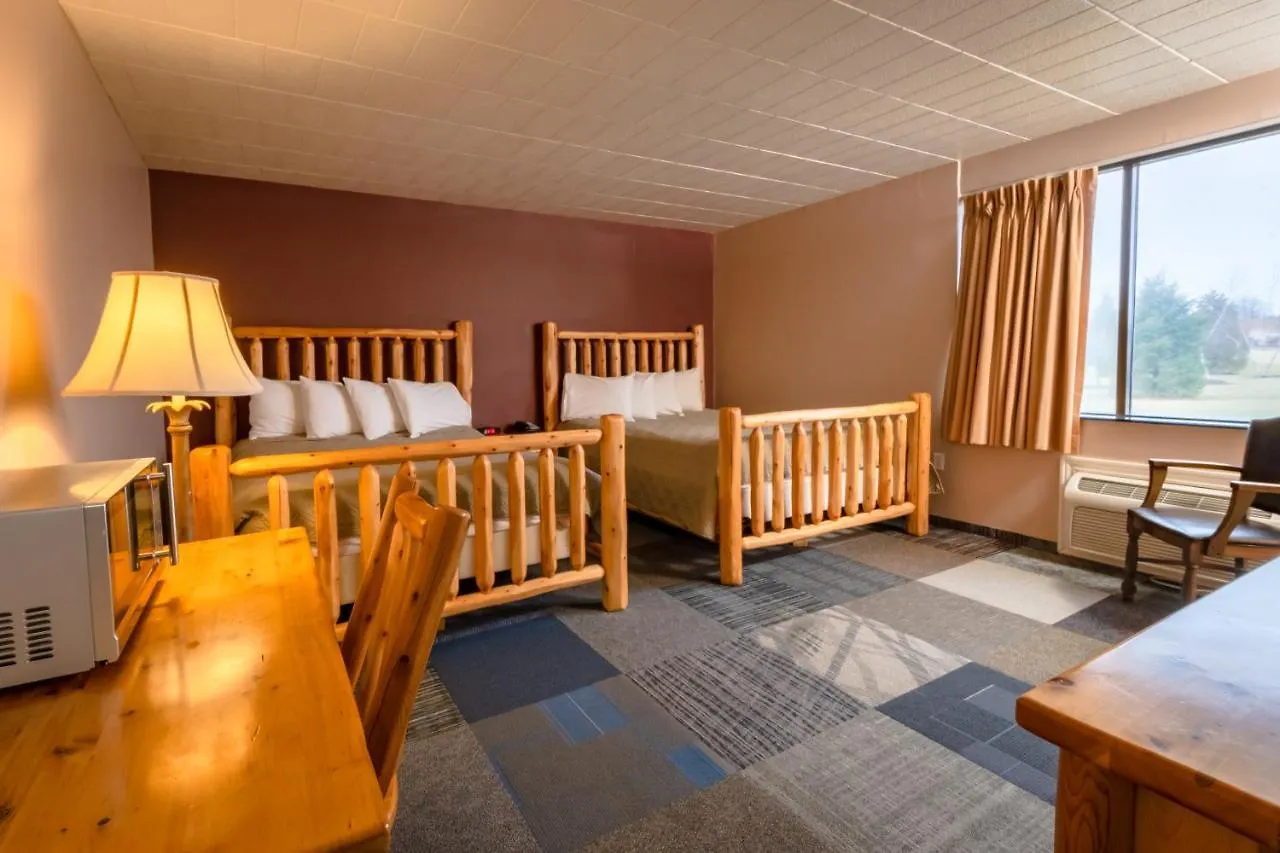
The Midwest is home to some of the most underrated resort experiences in the United States, from lakefront cottages in Minnesota to golf resorts in Michigan and waterpark lodges in Kansas City. Whether you're planning a family getaway, a golf trip, or a lake escape, the region offers resort stays that combine outdoor access with genuine comfort - often at prices well below comparable coastal destinations. This guide breaks down 5 resort hotels across the Midwest to help you decide where to book based on your priorities, travel group, and budget.
What It's Like Staying at a Resort in the Midwest
The Midwest doesn't operate on a coastal tourism rhythm - most resort areas here are driven by seasonal outdoor recreation: lake seasons from May through September, ski and winter sports from December through February, and a quieter but scenic fall foliage window in October. Resort stays in this region are overwhelmingly car-dependent, with properties spread across rural lakeshores, forested parks, and golf corridors rather than dense urban cores. Guests who want to maximize their stay should expect to drive between activities, as public transit connections to most Midwest resorts are minimal or nonexistent. That said, the trade-off is space, nature access, and a pace that's genuinely restorative rather than tourist-rushed.
Pros:
Lake and nature access directly from the property - many Midwest resorts sit on actual shorelines, not just near them
Significantly lower nightly rates than coastal or mountain resort equivalents, often around 40% less for comparable amenities
Crowds remain manageable even in peak summer compared to East or West Coast resort destinations
Cons:
Nearly all resorts require a car - airports are rarely close, and rideshare coverage in rural areas is unreliable
Dining options beyond the resort restaurant are often limited in surrounding small towns
Weather windows are narrow - a rainy week in July or an early freeze in October can significantly impact outdoor activities
Why Choose a Resort Hotel in the Midwest
Midwest resort hotels occupy a specific niche: they deliver bundled outdoor recreation - golf, boating, hiking, or waterparks - within a self-contained property, which suits families, couples on weekend escapes, and groups who want structure without micromanaging logistics. Nightly rates at Midwest resorts typically run lower than $200 for mid-range properties, with family cottages and lodge-style suites offering more square footage than a standard hotel room for a comparable or lower price. The category's core appeal in this region is the combination of on-site amenities and direct nature access - you're not paying a resort fee for a pool you'll never use; you're often steps from an actual lake, golf course, or state park trail. The main trade-off is that these properties skew toward leisure, not business travel, and remote locations mean limited flexibility if plans change.
Pros:
On-site activity bundles (boat rentals, golf, indoor pools, hiking) reduce the need to plan and pay for separate excursions
Cottage and lodge formats offer kitchen access and multi-room layouts suited to families or small groups
Many properties include free parking, free WiFi, and breakfast - reducing total trip cost
Cons:
Resort properties in rural Midwest locations often have limited or no nearby restaurant alternatives beyond the on-site dining
Booking flexibility is lower during peak summer weekends - cancellation policies tend to be stricter
Indoor amenity quality varies significantly between properties - not every resort's "fitness center" or pool meets urban hotel standards
Practical Booking & Area Strategy for Midwest Resorts
The Midwest resort landscape spans several distinct corridors worth understanding before booking. Northern Wisconsin and Minnesota's lake country - anchored by towns like Eagle River, Two Harbors, and the Boundary Waters corridor - offer the densest concentration of waterfront resort stays, with peak demand running from late June through mid-August when lake access is most viable. Michigan's Lower Peninsula, including the Grand Rapids corridor near Belding, draws golf-focused travelers from spring through fall, with Frederik Meijer Gardens and the area's wine trails adding non-golf appeal. Kansas City serves as the region's family waterpark hub, with Great Wolf Lodge drawing drive-market families from across Missouri, Kansas, and Nebraska year-round. For the best rate positioning, booking at least 6 weeks ahead of any summer weekend is strongly advised, as lakefront properties in Wisconsin and Minnesota routinely sell out their cottage inventory by May for July stays. Those targeting shoulder season - late May or September - will find meaningfully lower rates, fewer crowds, and full access to most outdoor amenities without the midsummer heat.
Best Value Resort Stays
These properties deliver strong recreational value and direct nature access at accessible price points, making them well-suited for families, couples, and groups prioritizing outdoor activities over luxury finishes.
-
1. Candlestone Golf And Resort
Show on map


 Check-infrom 15:00 until 23:59Check-outuntil 11:00
Just a few rooms left at the best rate!
fromUS$ 84
-
2. Riverside Resort
Show on map


 Check-infrom 16:00 until 19:00Check-outuntil 10:00
Just a few rooms left at the best rate!
fromUS$ 354
-
3. Eagle River Inn And Resort
Show on map


 Check-infrom 15:00 until 23:59Check-outuntil 11:00
Hurry – almost gone at this price!
fromUS$ 152
Best Premium Resort Stays
These properties offer elevated amenity sets, distinctive settings, and experiences that go beyond a standard resort stay - suited to travelers prioritizing quality of environment and on-site programming over price-per-night efficiency.
-
4. Great Wolf Lodge Kansas City
Show on map


 Check-infrom 16:00 until 23:59Check-outfrom 05:00 until 11:00
Hurry – almost gone at this price!
fromUS$ 240
-
5. Grand Superior Lodge
Show on map


 Check-infrom 16:30 until 23:59Check-outuntil 11:00
Rooms filling fast – secure the best rate!
fromUS$ 149
Smart Timing & Booking Advice for Midwest Resort Stays
Midwest resort pricing and availability follow a sharp seasonal curve that rewards early planners. July is the peak month across almost all lake and outdoor resort destinations in Wisconsin, Minnesota, and Michigan - cottage inventory at properties like Riverside Resort and Eagle River Inn sells out weeks in advance, and nightly rates climb by around 35% compared to early June. The Kansas City market, anchored by Great Wolf Lodge, runs differently: being an indoor waterpark destination, it sees demand spikes during school holidays, spring break in March, and winter holiday weekends rather than summer alone - meaning a mid-January booking can still be peak-priced if it falls on a long weekend. For the best combination of value and access, late May and mid-September hit a practical sweet spot: water temperatures in Minnesota and Wisconsin lakes are still manageable, trails are clear, resort facilities are fully operational, and rates are noticeably lower. Booking directly through the resort's own site or affiliated booking pages often unlocks better cancellation terms than third-party platforms, which matters when Midwest weather unpredictability is a real factor in trip planning. For Lake Superior stays like Grand Superior Lodge, late September through October adds fall foliage along the North Shore Scenic Drive - one of Minnesota's most visited seasonal routes - making it a viable alternative to the summer rush for couples or adult travelers.


